
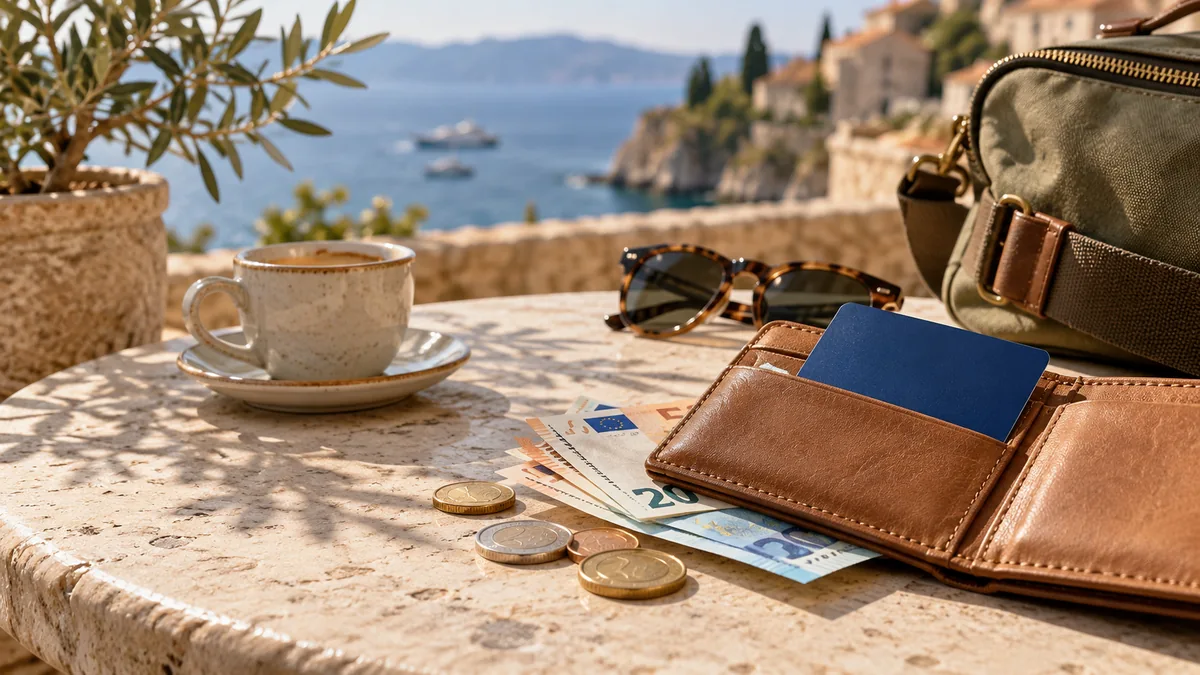
There is no single cheapest choice for every trip. Compare the full cost of cash withdrawals, cash exchange and card purchases, then keep a practical backup.
Compare costs using the same purchase
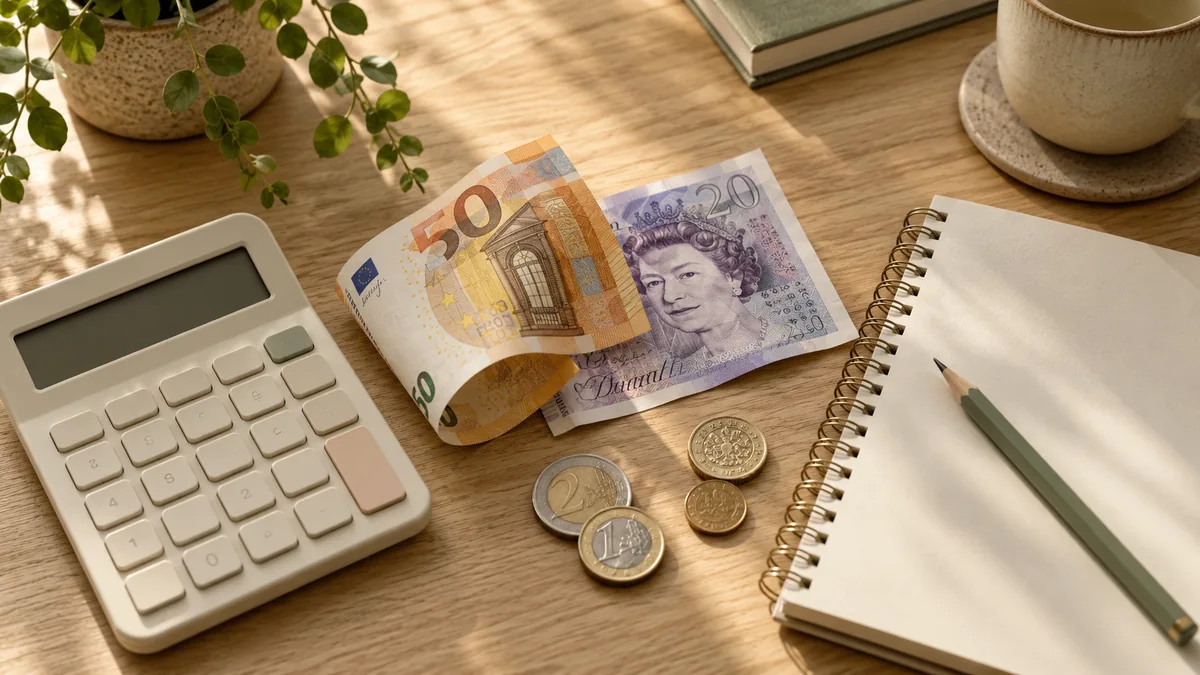
Suppose a meal costs 50 EUR. A card could convert it into your account currency and add a foreign transaction fee. Cash might first require a withdrawal fee or an exchange-counter spread. The useful question is how much of your home currency you spend to pay for that same meal.
Do not compare just the headline fee
A free withdrawal with an unfavourable conversion can cost more than a paid withdrawal with a better total quote. Equally, a card with no foreign transaction fee can still have other charges or restrictions. Check your own account terms.
When cash can be practical
Small shops, local transport or a temporary payment outage can make some cash useful. But carrying more than you need increases the amount you could lose and may leave you paying another exchange cost when you return.
- Check which payment methods your accommodation accepts.
- Keep emergency money separate from everyday spending.
- Plan how to access funds if one card stops working.
When a card can be practical
A card gives you a record of spending and avoids carrying every day's budget in notes. Some bookings require a card deposit or hold, which is different from a final payment. Ask about accepted card types and deposit conditions before arrival.
If a terminal offers your home currency, pause and read the conversion details. Paying in local currency leaves the currency conversion to your issuer or network, but issuer fees can still apply. See our guide to local versus home currency.
Make a small travel-money plan
Estimate daily spending with 50 EUR to GBP or 50 EUR to USD. Add likely card, ATM or cash-exchange charges separately. A reference rate helps you budget but cannot tell you the cost of your particular account.
Common questions
Should I exchange all my money before travelling?
Compare the available quotes, access and risks first. A small arrival reserve can be useful; converting the full budget is not automatically cheaper.
Is a bank ATM always free?
No. The ATM operator, your bank and your account's conversion terms can each affect the cost.
Source and further reading
Visa: dynamic currency conversion. Examples in this article use made-up rates for explanation, not current offers.
TRY THE PAIRS IN THIS GUIDE
Currency conversions from this article
The examples in the text are for learning. These cards use our latest available daily reference rates.
EUR to GBP
Euro to British Pound
50 EUR ≈
41.75 GBP
1 EUR = 0.83497512 GBP
Rate date:
Open converter ↗
EUR to USD
Euro to United States Dollar
50 EUR ≈
55.91 USD
1 EUR = 1.11813049 USD
Rate date:
Open converter ↗Source: Frankfurter daily reference data. Bank, card and transfer fees are excluded. How rates are calculated →
 250 AZN → GBP
 50 KRW → GBP
 250 TMT → GBP
 3 XCD → GBP
 250 MWK → GBP
 3 PGK → GBP